跳至主要内容

5 Most Important Facts About Water Filtration System
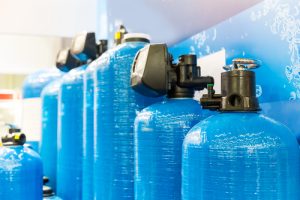

5 Most Important Facts About Water Filtration SystemThe terms “water filtration” and “water purification” are used interchangeably, but they aren’t the same thing. Here’s the difference between a water filter and a water purifier:
  • A water filter removes sediment and unwanted substances (harmful chemicals, toxins) from our water. A filter improves taste and odor and reduces the level of many chemical contaminants.
  • A water purifier is a system that removes 90-95% of all contaminants in water. There are three purifier technologies: reverse-osmosis, deionization, and distillation.
We’re all lugging home gallons of bottled water, almost weekly, and even if you recycle, of every 167 bottles you “donate,” only 38 are actually recycled. The rest decorate our landfills. A Ban the Bottle campaign is making slow progress in this country, but it’s making progress. Eventually, we’ll have to consider greener alternatives to clean drinking water.
There are many benefits of a water filtration system.

Water Filtration Facts

  1. Bottled water isn’t working.1 It takes 3 liters of water for the cleaning and manufacturing process that yields 1 liter of drinking water. The bottling process releases “tons of carbon dioxide” into the air every year.
  2. At-home water-filtration water is cleaner than bottled water.2 The President’s Cancer panel recommends against drinking bottled water because of the contaminants that are still found in the water and the bottles’ carbon-based chemical composition (Bisphenol-A).
  3. Water filtration saves money.3 Tap water costs less than a penny a gallon; bottled water costs 300 times more. Tap water filtration only adds about 2 cents to the cost of tap water.
  4. Water filtration systems are low-maintenance.4 Point-of-use filters and water pitcher filters use replaceable carbon filters. Shower, laundry, dishwashing water utilizes as-is tap water, but your family’s drinking water is purified.
  5. Filtered water tastes better.5 It smells better, too.

Clean Water Solutions

Bradbury Brothers can help you decide the type of water filtration system that works best for your lifestyle. Clean drinking water is critical, but if you’re tired of managing the effects of hard water damage to your home and appliances, a whole-house water filtration system may be answer. Contact us for information.

评论

此博客中的热门博文

The 10 Best Refrigerator Water Filters

BEST REFRIGERATOR WATER FILTER DISCLAIMER: THERE ARE AFFILIATE LINKS IN THIS POST. THIS MEANS THAT AT NO COST TO YOU, I WILL RECEIVE A SMALL COMMISSION IF YOU PURCHASE THROUGH MY LINK. I WILL ONLY EVER PROMOTE THE PRODUCTS AND SERVICES THAT I TRUST AND 100% RECOMMEND. YOU MAY READ MY FULL DISCLOSURE POLICY FOR MORE INFORMATION. THANKS FOR SUPPORTING MY BUSINESS IN THIS WAY. For this post, I have put together a collection of the best refrigerator water filters currently available. Filters help to reduce contaminants in your water such as: Chlorine Taste & Odor - chlorine is widely used in water treatment as disinfectants but may add particular odor and taste to the water. Heavy Metals & Chemicals - such as lead and other common industrial contaminants with high toxicities can infiltrate water source and endanger your health. Microbial Cysts - parasites such as cyrptosporidium is commonly found in lakes and rivers. It has high resistance ove...

5 Factors To Consider When Buying a Reverse Osmosis Water Filter System for Home

Water contamination is a hot topic nowadays. Just a few days ago, it was reported that a cancer-causing chemical was found in hundreds of the well water in California. In a separated occasion, residents in Jeanerette, Louisiana experience rust colored water from their tap water. The tap water  no longer safe  as compared to a decade ago. Most people are aware about the seriousness of these problems and  taking preventive measures  to keeping their family safe. One of the way is to get a reverse osmosis water filter system. Why Reverse Osmosis? Reverse osmosis is a  common and effective method in removing 99% of contamination dissolved in the water. It uses pressure to force contaminated water to pass through the fine membrane leaving only pure water after filtration. This method is proven and has been used for more than a decade. Many of the system are  fully certified by NSF and WQA  on their effectiveness and quality on r...

What Is Better For You- Bottled Water Or Tap Water?

Everyone knows that drinking an adequate amount of water is critical to our survival, but should we worry about whether we get our water from a bottle with a nice label or from the kitchen sink? According to Mr. Benjamin Grumbles, the head of the United States Environmental Protection Agency’s water programs says “It’s an urban myth that bottled water is safer than tap water .” Many consumers admit to actually drinking both tap water and bottled water. For most people, if you have a filter at home, you probably could not distinguish the taste between the two. Nearly half of bottled water comes from a tap not the artisan springs and beautiful tropical waterfalls as we would like to imagine. In those cases, the water is filtered in many of the same ways as a home water filter works, except on a much larger scale. Chlorine and other contaminants are removed from the water prior to bottling. If you are still trying to decide between the two, there is no question that tap water is bett...