Tap water in America is usually classified as hard water. What causes the formation of hard water?What is the main problem of hard water? Is it REALLY safe to consume hard water as suggested by the municipal council?
The Cause Of Hard Water
The main reason of classifying the water source as hard water because it contains high level of minerals. Distilled/Purified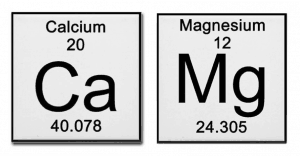 water that comes from the rains often pick up the minerals such as calcium and magnesium through limestones. Generally these two minerals are the major contribution to a “hard” water. The higher calcium and magnesium exists in water, the “harder” the water will be.
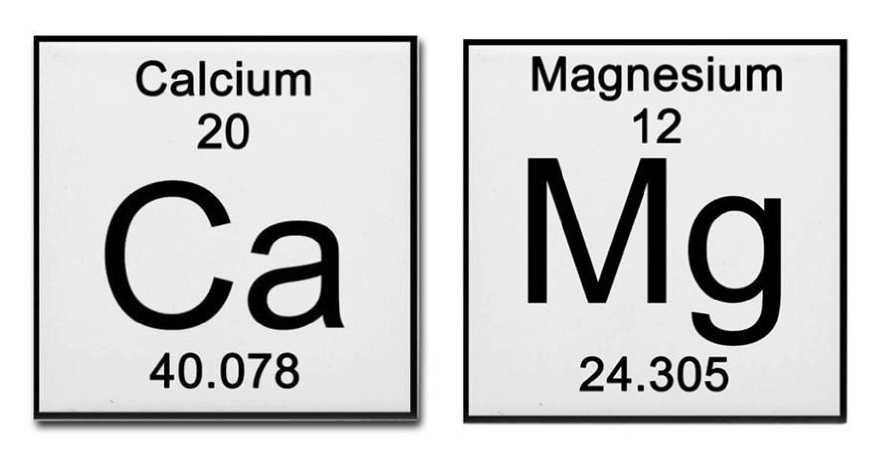 water that comes from the rains often pick up the minerals such as calcium and magnesium through limestones. Generally these two minerals are the major contribution to a “hard” water. The higher calcium and magnesium exists in water, the “harder” the water will be.
The Hidden Problems Of Hard Water
I guess most of you have quite some bad experiences in dealing with hard water. Most of the common problems are related to cleaning. Clothes are always stiff, hard and aren’t clean after washing with hard water. The glasses and dishes will look dirty with white spots all over them after you have done your dish cleaning. Your hair feels sticky after bath even with shampoo.
Why is it so?
It’s due to the existence of calcium and magnesium that creates a chemical reaction with some of the detergent that is been used. Some synthetic detergent will become less effective in cleaning and you will need to spend more on your detergent budget.
One of the hidden problem that occurs is while bathing with hard water. Bathing in hard water might trapped the soup curb on the skins especially on the knees and elbows. Hence, leaving the soup behind might causes skin irritation disease such as eczema. It is pretty common here in America.
Another hidden problem that will break you wallets are associate with those water-based appliances in your house. Calcium will clot in your dishwasher, shower head, bathtub faucet, washing machine and even the internal pipe in the house. It will reduce the effectiveness of these appliances and you will probably spend a few hundred a year just to get a replacement. The replacement gives you a big blow of your holiday budget for the year.
Is it Really Safe To Consume Hard Water?
Although sometimes the tap water taste a bit funny, it is safe to consume. According to the National Research Council, calcium and magnesium found in the water can contribute to part of human dietary needs.
 Besides calcium and magnesium, sometimes iron and manganese will present in the water through the corroded pipes or on their way into your house. Other sediments such as dirt or even bacteria can be dissolved into your tap water as they pass through the corroded pipes.
Therefore, in some places, chlorine has been added to make sure the virus and bacteria are inactive in our water source. However, studies from World Health Organization (WHO) show that people who consume tap water with chlorine exposed more risk in blander cancer.
The Solution?
One of the solution is to invest in a house water filter to stop the hard water entering your house. House water filter replacement aren’t as expensive as your water based appliances. It is estimate that you might be paying as much as $800 a year on repairing or replacing the appliances while a house water filter just cost you less than $1000 for 10 years.
Under a tight budget? Well, you can boil the water to prevent direct absorption of the harmful minerals. Some of the minerals such as chlorine, calcium and magnesium will evaporate when in contact with high temperature. However, the water will not be 100% clean, it’s better than none right?
评论
发表评论