跳至主要内容

What happens to your body when you drink too much water?

Water Intoxication
We all know how important it is to keep our bodies hydrated. Water makes up 50-80% of our body weight. Every cell, tissue and organ in our body relies on water to function. A recent blog discussed the importance of drinking enough water and even some great apps to track this. However, there is such a thing as drinking too much water…
Experts call this condition water intoxication.

So how much is too much?
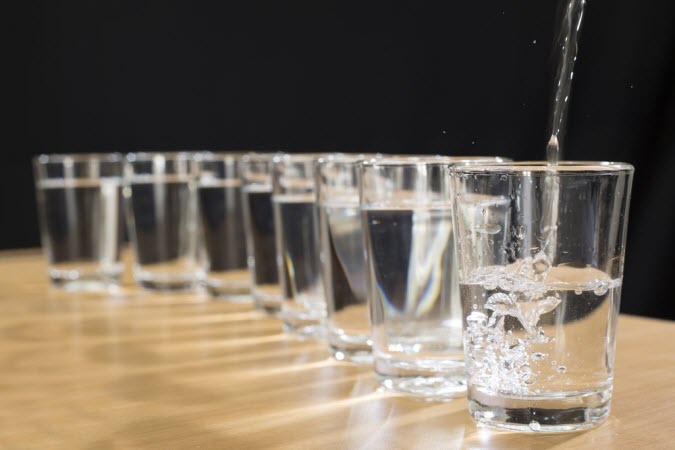
The ideal amount of filtered water
Most experts claim that the ideal amount of filtered water we should drink every day is eight glasses. Of course, the amount of water required differs between individuals. It depends on such things as age, medical conditions and occupation. Athletes and those doing manual labour need extra water to maintain proper hydration.
You may already know the feeling of dehydration… dry mouth, headaches, foggy head and feeling dizzy. These are good signs that you need to pick up that drink bottle.
Our two kidneys are the organs that extract fluids and waste products from our body. On average, our kidneys can filter and process 200 litres of fluid every 24 hours. Drinking more fluid than the kidneys can process may lead to water intoxication.

The signs of water intoxication
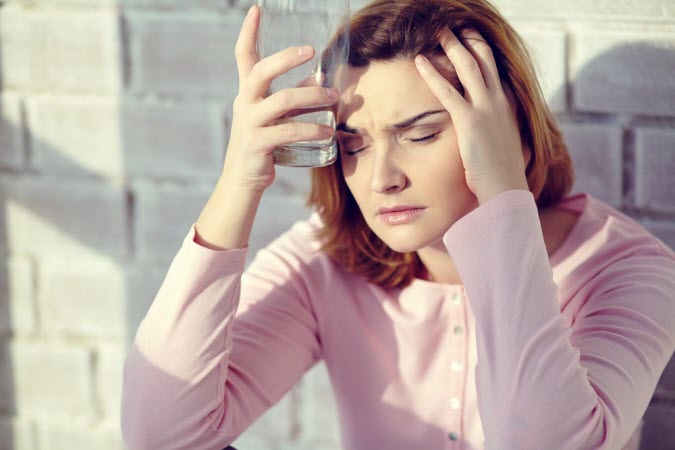
The signs of water intoxication
Drinking too much water increases the amount of water in the blood. This water can dilute the electrolytes in your blood, especially sodium. When sodium levels drop, fluid shifts from outside to inside the cells, causing them to swell. If this happens in the brain, it can be life threatening.
Here are some signs that you have consumed too much water:
  • Headache
  • Nausea
  • Vomiting
Severe cases can produce symptoms such as:
  • Increased blood pressure
  • Confusion
  • Double vision
  • Drowsiness
  • Difficulty breathing
  • Muscle weakness and cramping
  • Inability to identify sensory information

Who is at risk?
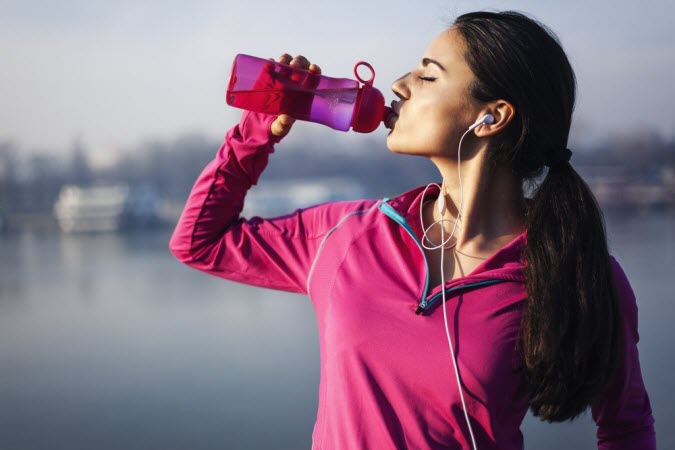
Who suffers from water intoxication
Anyone can suffer from water intoxication. However, it is more common amongst some people than others. Those most at risk include endurance athletes, cyclists, hikers, triathletes, rugby players and military personnel.
Water fasting is a type of diet that restricts everything you consume except water. It has become more popular in recent years as a quick way to lose weight. Even though you are drinking only water, it can actually cause dehydration, not water intoxication. In severe cases it causes a condition called orthostatic hypotension.
The best way to track if you are drinking the right amount of water every day is through an app on your phone. Our recent blog reviewed the best four apps to track your water consumption.
Installing a home water filter system ensures you always have healthy, good quality water on tap for all the family.

评论

此博客中的热门博文

HOW TO STERILIZE WATER DURING AN EMERGENCY Would you know how to sterilize water during an emergency? Although uncommon in Canada, hurricanes, floods and even water mains breaking can interrupt regular water service. Typically, in an emergency situation, the authorities recommend that you drink sterilized water, or bottled water, to avoid any disease-causing microorganisms and harmful pollutants that could be in your water. The following steps will help you sterilize water that you do have available. In the event of an emergency situation, use only sterilized water for drinking, cleaning, preparing meals, cooking, and brushing your teeth. Just a few drops of contaminated water is enough to make you sick. Methods to Sterilize Water: 1 ) Boiling:  If have power during the emergency situation, boiling your water is a good way to sterilize water. Let cloudy water settle. You can filter it through a coffee filter or paper towel to get rid of sediment. Bring the water to a...

What Is Better For You- Bottled Water Or Tap Water?

Everyone knows that drinking an adequate amount of water is critical to our survival, but should we worry about whether we get our water from a bottle with a nice label or from the kitchen sink? According to Mr. Benjamin Grumbles, the head of the United States Environmental Protection Agency’s water programs says “It’s an urban myth that bottled water is safer than tap water .” Many consumers admit to actually drinking both tap water and bottled water. For most people, if you have a filter at home, you probably could not distinguish the taste between the two. Nearly half of bottled water comes from a tap not the artisan springs and beautiful tropical waterfalls as we would like to imagine. In those cases, the water is filtered in many of the same ways as a home water filter works, except on a much larger scale. Chlorine and other contaminants are removed from the water prior to bottling. If you are still trying to decide between the two, there is no question that tap water is bett...

Is your water filter counterfeit?

Is it time to change your refrigerator’s water filter? Be careful about where you buy the replacement. Many consumers, perhaps attracted by lower prices, are being duped into purchasing counterfeit water filters. These convincing but fake filters, which can be nearly impossible to distinguish from the real thing, may put consumers’ health and property at risk. Only one of these filters is genuine. Can you tell the difference? AHAM and its refrigerator members Amana, Beko, Blomberg, Bosch, Electrolux, Frigidaire, Gaggenau, GE, Jenn-Air, KitchenAid, LG, Maytag, Miele, Samsung, Sub-Zero Wolf, Thermador and Whirlpool, along with testing and certification organization NSF International and the Water Quality Association, in the  Filter It Out  campaign to call awareness to the significant problem of counterfeit and deceptively labeled refrigerator water filters. The problem Counterfeit water filters are being sold online every day. But even though these products may ap...